A new affordable housing option is coming soon to Chattanooga and the Tennessee Valley!
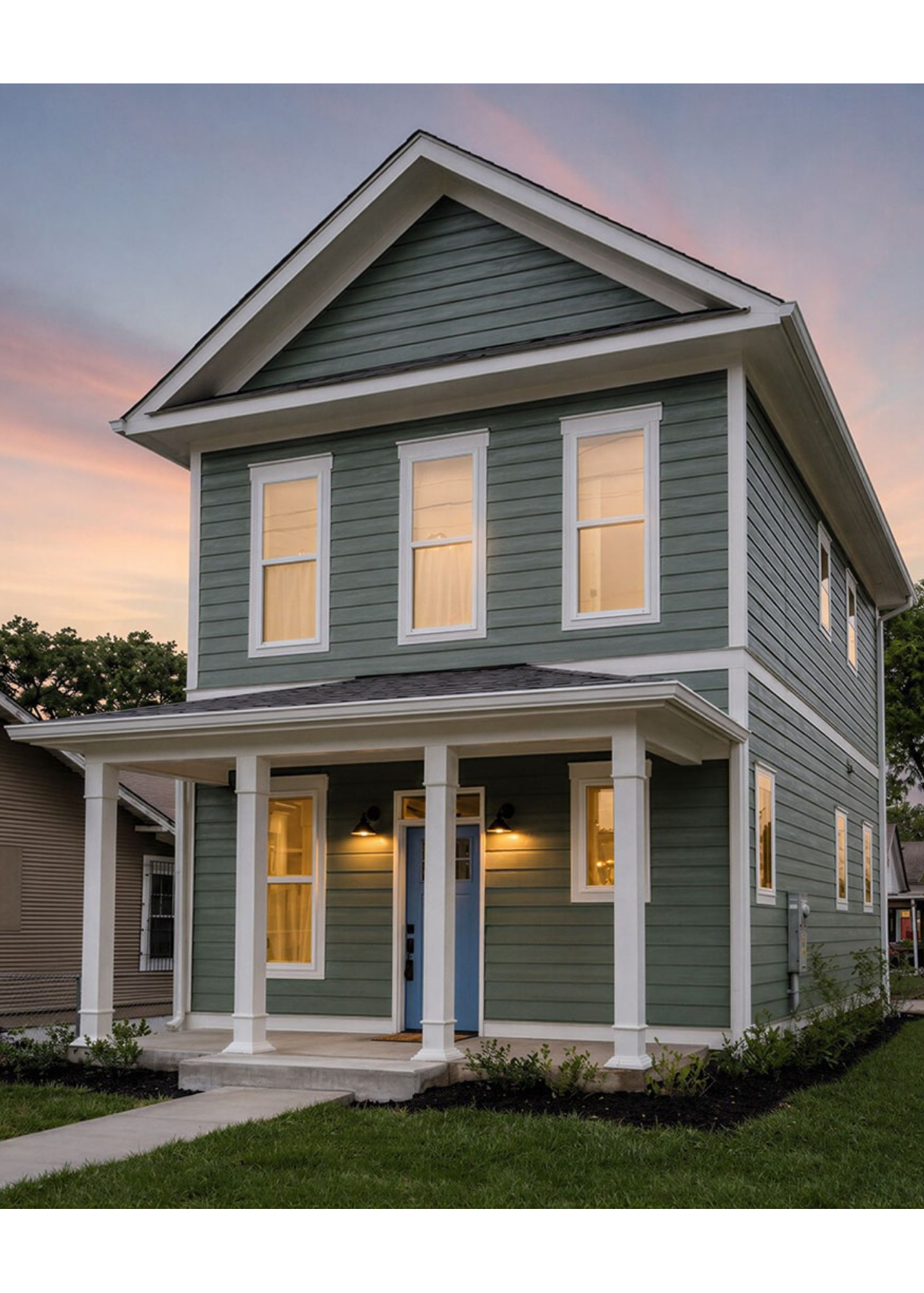
Families across our region are working hard but finding homeownership increasingly out of reach.
A Community Land Trust (CLT) can help by creating homes that remain affordable, protecting neighborhood stability, and ensuring that local residents can continue to live and thrive here.
The Tennessee Valley CLT is being formed to:
Expand affordable homeownership opportunities
Keep homes affordable for future generations
Help families build wealth responsibly
Support neighborhood stability
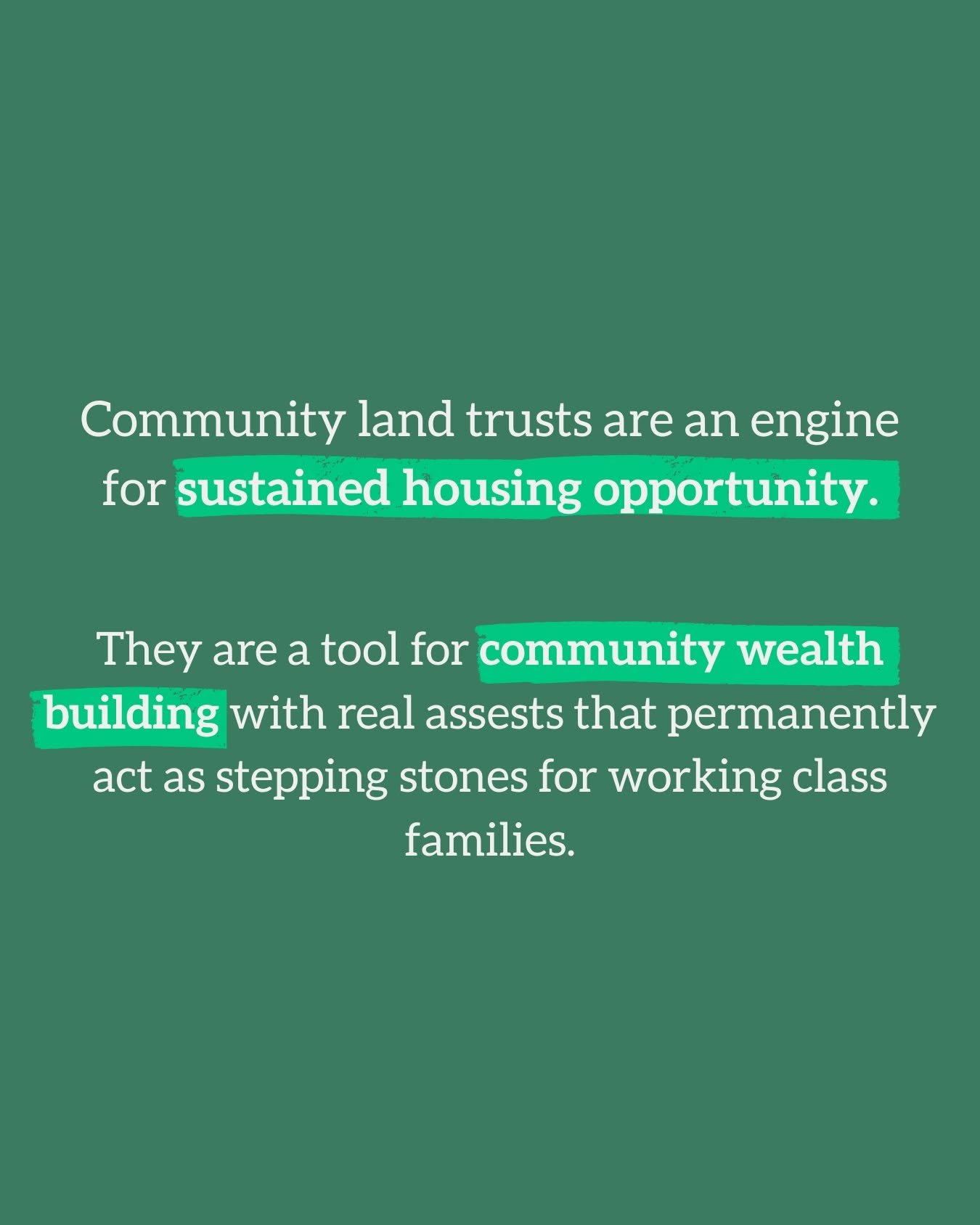
Create a long-term community asset
Our Community Needs This
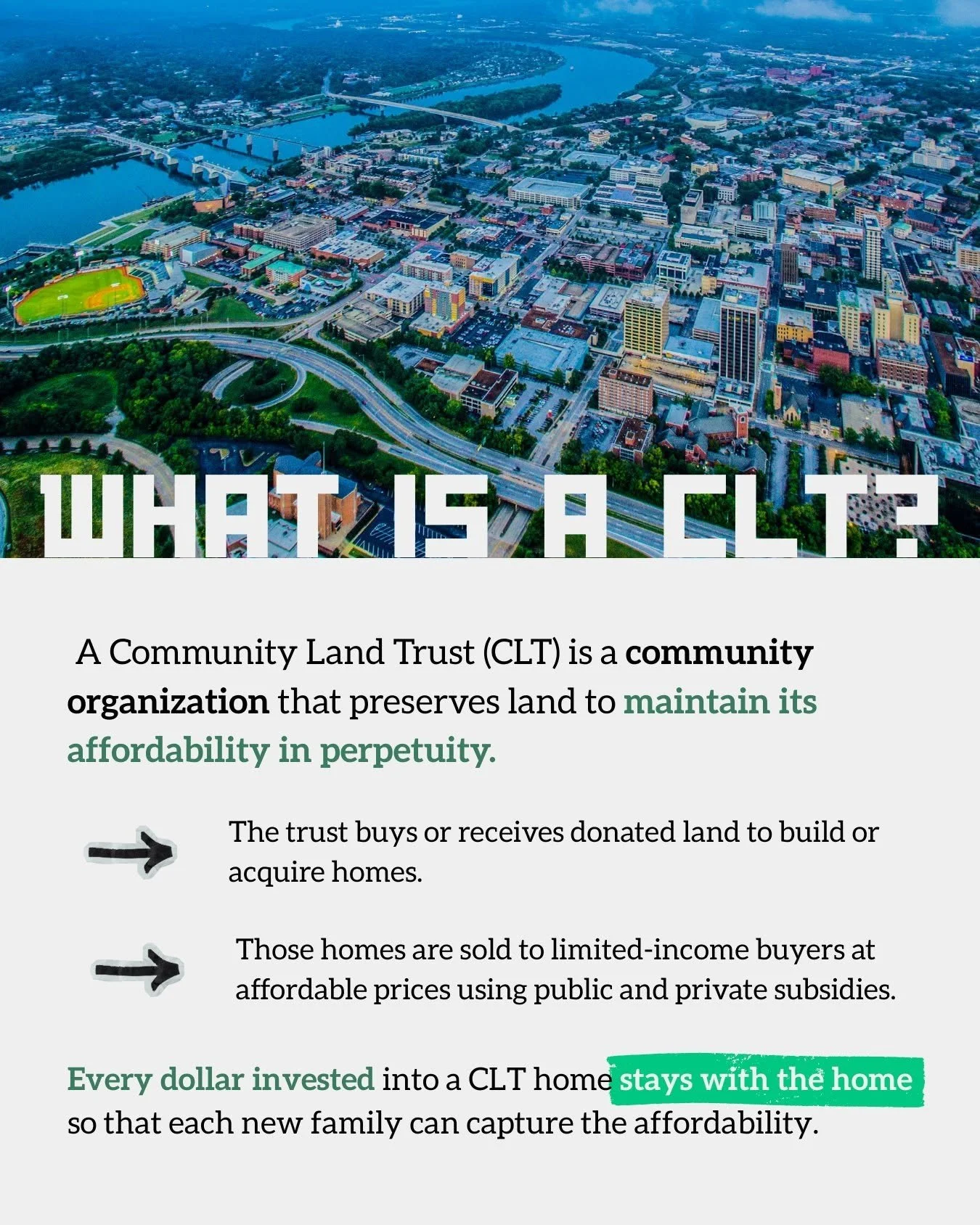
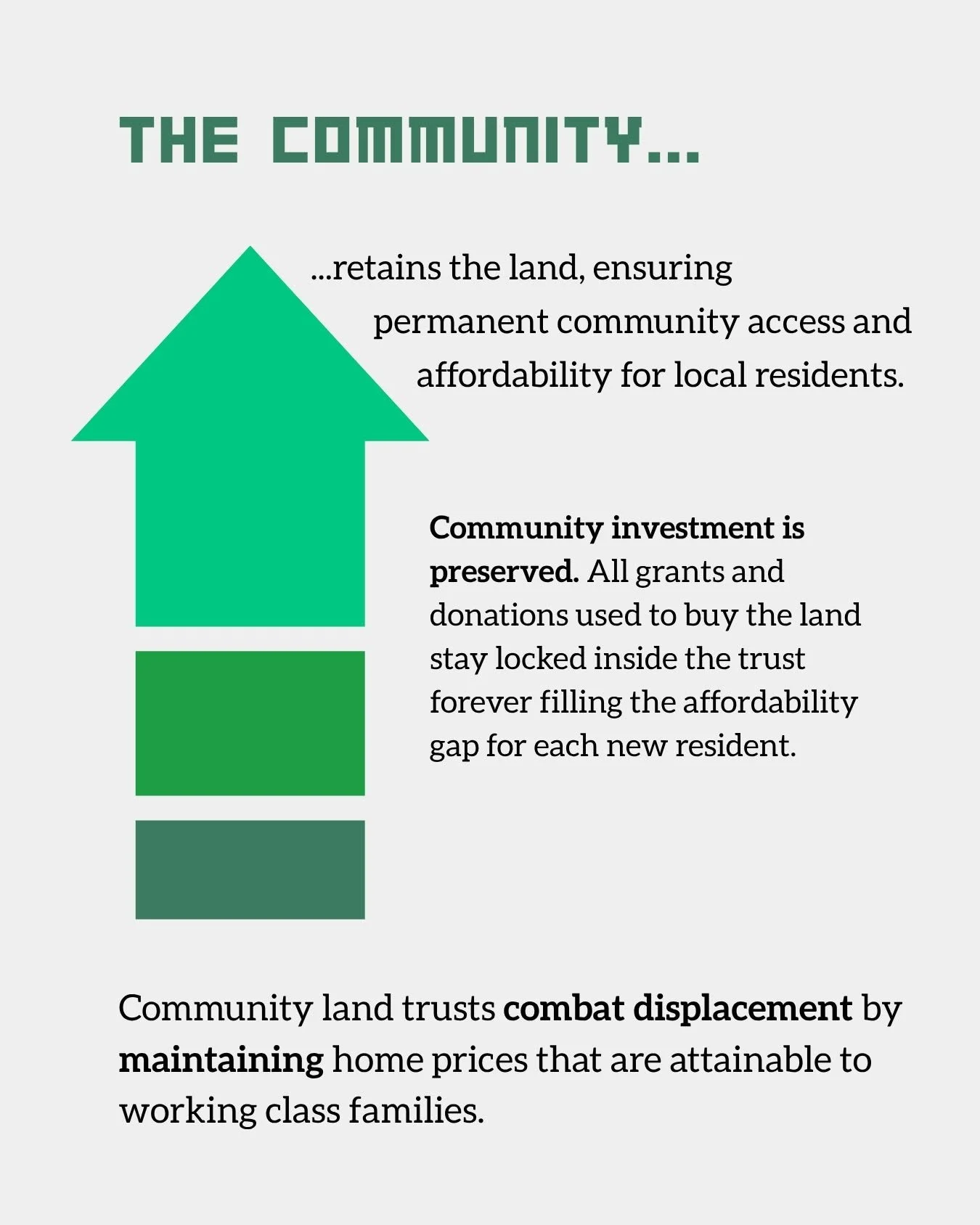
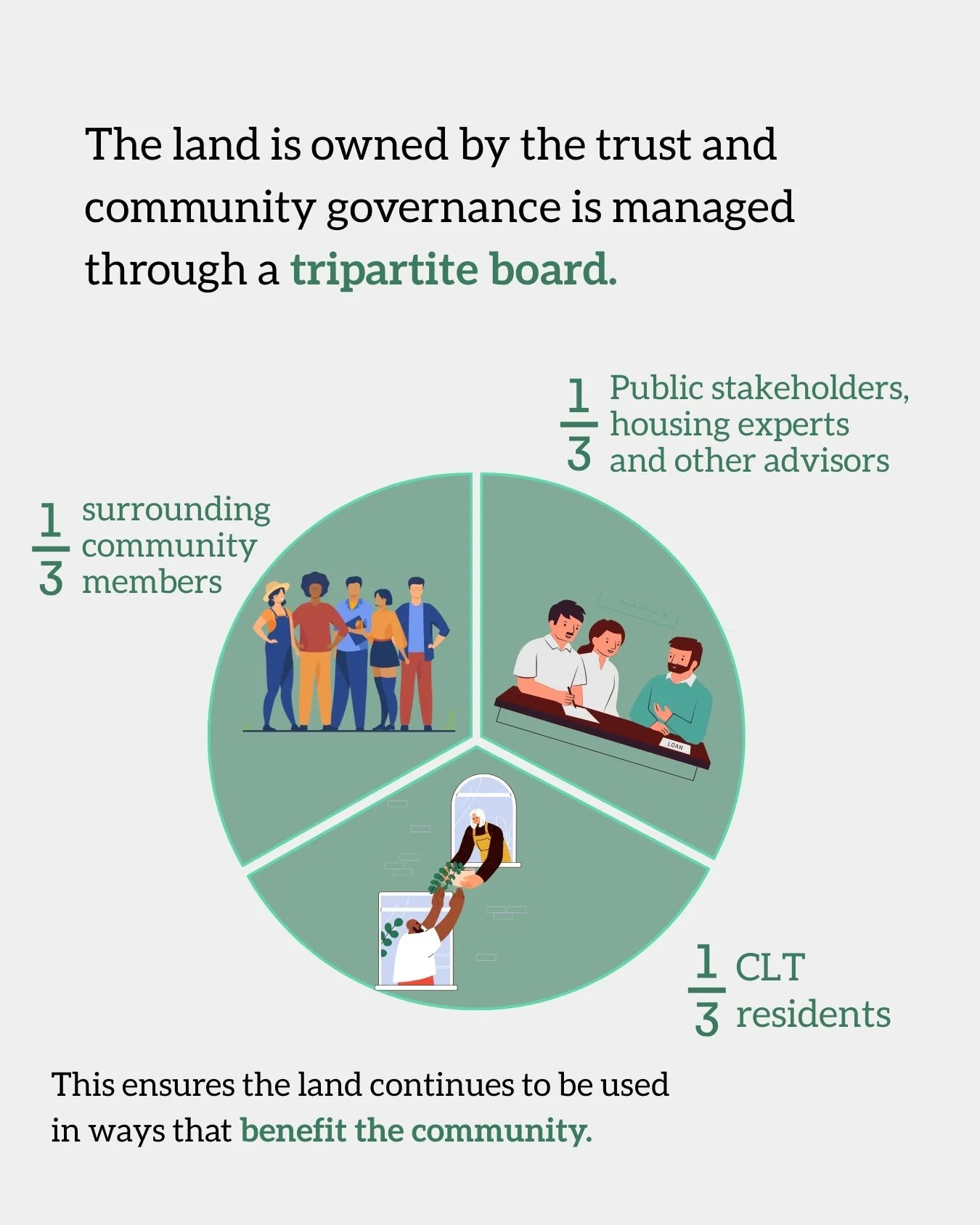
A CLT is a nonprofit organization that helps make homeownership more affordable by holding land in trust for the benefit of the community.
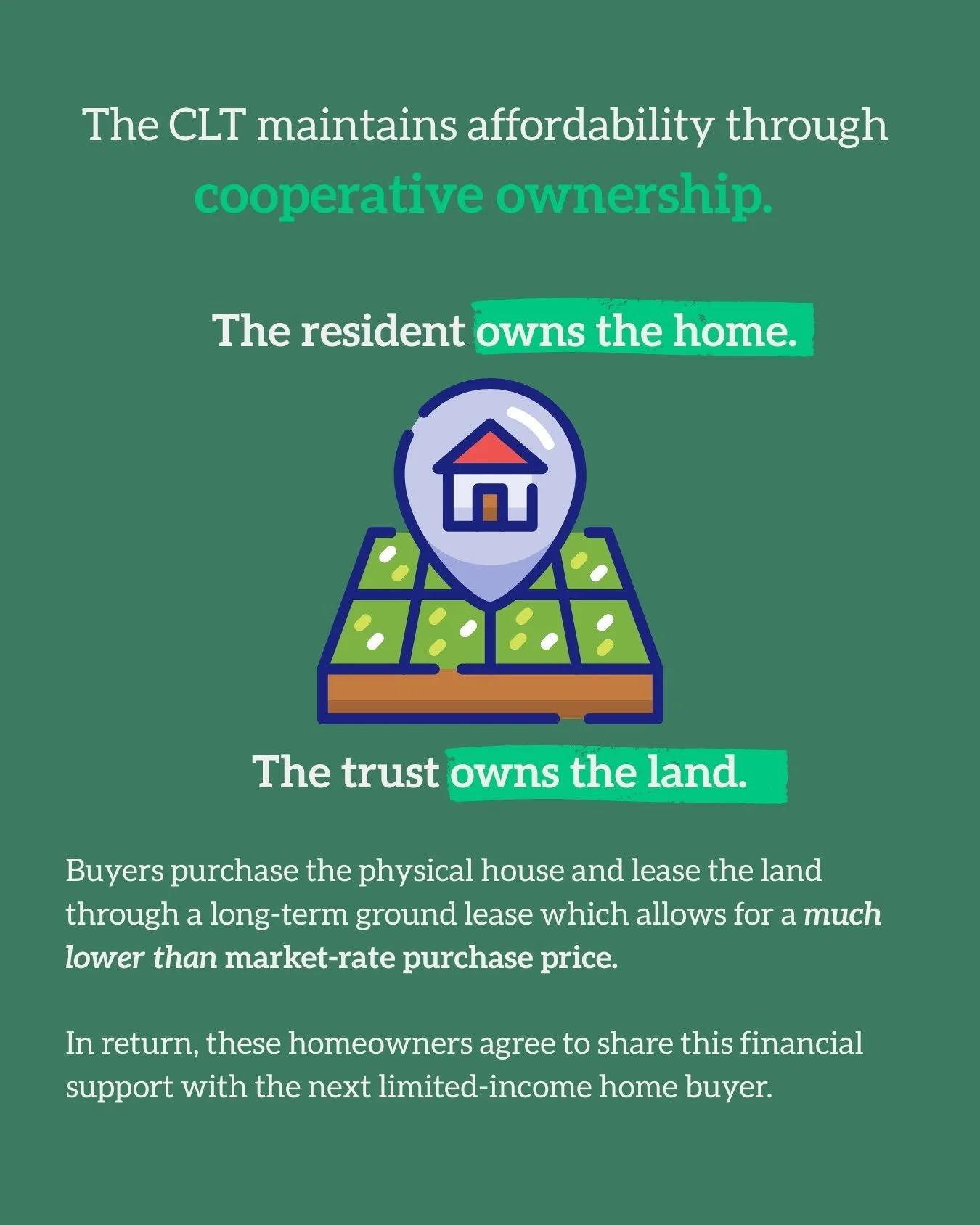
Families can purchase the home while the land remains dedicated to long-term affordability. When the home is sold in the future, it remains affordable for the next family as well.
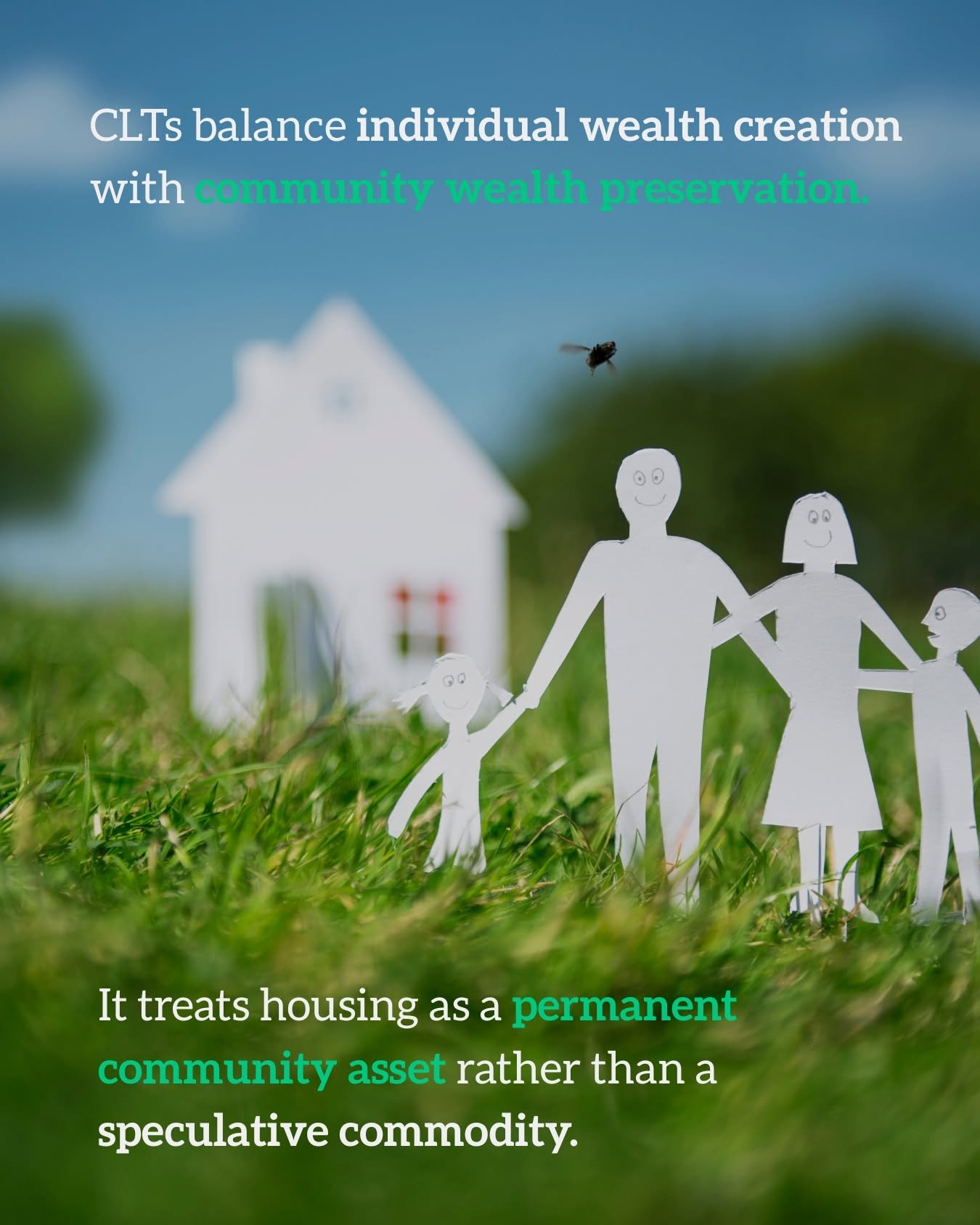
This proven model creates opportunity today while preserving it tomorrow.
What is a CLT?
— Chattamatters, July 2025
The process started in 2021 when the non-profit Chattanoogans in Action for Love, Equality, and Benevolence (CALEB) hired a national expert to draft the groundwork on a feasibility study.
Then in 2023, through the Footprint Foundation’s community-led grantmaking effort, a group of community members identified a CLT as an important tool to address sustainable housing affordability and directed funding to further explore the idea of forming a CLT for our region.
In 2025, in partnership with CALEB and Chattanooga Neighborhood Enterprise (CNE), Grounded Solutions Network was hired to help determine a viable business plan and vision for a local CLT.
An initial founding board was formed in 2026 and is now working through these next steps in preparation for an anticipated public launch of the Tennessee Valley Community Land Trust (TVCLT) by Fall 2026:
Register the TVCLT as a legal 501c3 entity
Hire a Community Land Trust Director
Bring the first 2 homes into the CLT and put them on the market
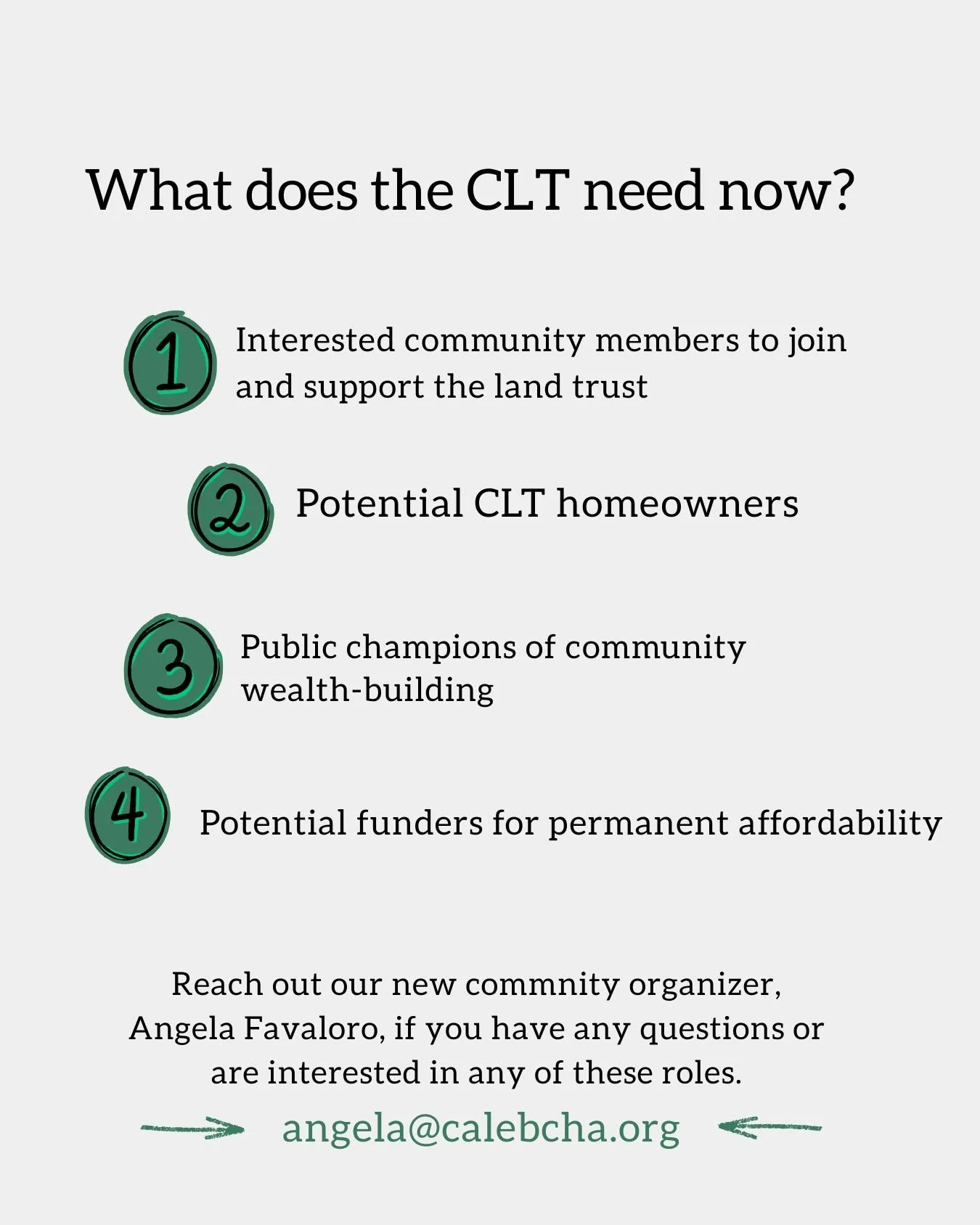
Invite the community to join and gain our first 100 Community Members
Create a pipeline for the CLT’s next 20+ homes!
Where are we in the process?
Frequently Asked Questions
-
A CLT is a nonprofit organization that acquires, owns, and stewards land for the common good. The CLT retains the land while selling the home at a significantly lower price. Homeowners build equity and enjoy the benefits of ownership but agree to resale restrictions that keep the home affordable for the next buyer, preserving the affordability investment across generations.
-
When a home is sold through a CLT, the resale price is capped by a formula in the ground lease so the home can only sell at what the next income-qualified buyer can afford. This means the original subsidy (the gap between market price and the affordable sale price) stays embedded in the home rather than leaving with the seller. Every future buyer benefits from that same subsidy, effectively stretching one public investment across multiple generations of homeowners.
-
CLT homeowners build equity through mortgage payments and a shared appreciation formula. That resale formal means the buyer gets all of their equity (principal paid on mortgage) plus 2% appreciation for each year they have lived in their home. While the resale price is limited, buyers enter at significantly below-market prices, making the path to homeownership accessible in the first place.
-
When a homeowner purchases a CLT home, they sign a 99-year ground lease with the CLT. This lease includes a resale formula, limiting appreciation to 2% per year of ownership, that limits the sale price to what the next income-qualified buyer can afford. As mentioned above, the subsidy invested in the home stays with the home, not the seller, so each new buyer benefits from the same affordability.
-
TVCLT can serve households earning 50–100% of Area Median Income (AMI). The CLT will prioritize buyers at 60–80% AMI, with current household income ranges for a family of four at $57,300–$76,400/year. A family of four at 60% AMI can afford a home priced around $150,000; at 80% AMI, up to approximately $225,000.
-
Interested buyers will complete a free CLT Homeowner 101 class explaining the trade-offs of the model and the support they receive as CLT homeowners. That is followed by an 8-hour certified Homebuyer Education program. CLT staff continue to work with homeowners providing post-purchase education.
-
TVCLT and CALEB will partner closely on community engagement through events, local media, podcasts, neighborhood association meetings, and resource fairs. Monthly free "CLT Homeowner 101" classes will explain the model, including the resale formula, the support they have available as CLT homeowners, and how the CLT preserves affordability. TVCLT will also host regular screenings of Holding Ground, a film tracing the CLT movement's roots in the Civil Rights era.
-
Lower purchase price
Because the trust retains ownership of the land, the upfront cost is reduced.Lower down payment requirements
With prices set substantially below market rate the needed upfront downpayment is very low.
Lower monthly housing costs
Mortgage payments are typically lower than comparable market-rate homes as they are below market rate meaning low down payments don’t come with property mortgage insurance costs.Equity building
Homeowners still build wealth by paying down principal and through appreciation.Appreciation gains
Owners receive a portion of the home’s increased value when they sell.Protection from displacement
CLTs help families remain in neighborhoods facing gentrification as property taxes stay low based on the appraisal of just the building and not the land.Ability to pass the home to heirs
Many CLT homes can be inherited under the trust agreement.Access to homeowner education and support
CLTs provide financial counseling and post-purchase support.Lower foreclosure rates
Historically, CLTs tend to have lower foreclosure rates than the general market. In the 2008 housing crash foreclosure rates were in the teens, while CLT homes didn’t even get to 1%.Shared maintenance and support structures
CLTs provide ongoing guidance for repairs and financial challenges.A hedge against rent inflation
Owners are no longer exposed to annual rent hikes.Preservation of neighborhood diversity
CLTs help prevent entire communities from becoming unaffordable.Ability to refinance or leverage equity in some cases
Depending on the CLT agreement, homeowners may still access some financial flexibility.Psychological and social stability
Ownership is linked to stronger educational, health, and civic outcomes for many families.Participation in a community-centered housing model
Residents often have a voice in governance and neighborhood planning.